Naturopathy and Natural Therapies World Conference 2026
Speakers - 2026
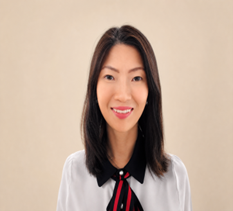
Jirbie Go
Jirbie Go
- Designation: Jirbie Go, CA Alliance of International Aromatherapists President
- Country: philippines
- Title: Ethnomedicine Practices for Postpartum Mothers Across Major Indigenous Groups in the Philippines
Abstract
Ethnomedicine practices for postpartum mothers in the Philippines reflect a complex interplay of indigenous knowledge, ecological adaptation, and culturally embedded health beliefs. Across major ethnolinguistic groups, including the Ifugao people and Kalinga people of the Cordillera, the Tagalog people and Ilocano people of the lowlands, Visayan groups such as the Cebuano people and Waray people, and Mindanao communities including the Maranao people, T'boli people, and Manobo people; postpartum care is grounded in the restoration of physical balance, protection from illness, and safeguarding against spiritual vulnerability.
A unifying principle across these groups is the concept of restoring bodily warmth following childbirth, often framed through local constructs such as "init" and "lamig." These concepts are also found in TCM as warming or cooling herbs to combat deficiency cold or hot and protect or supplement yin or yang. Practices aimed at re-establishing equilibrium include herbal baths, steam therapies (tuob or suob), and the consumption of warm, medicinal foods. Commonly utilized plants such as Malunggay, Guava, and Ginger are valued for their perceived roles in enhancing lactation, preventing infection, and promoting circulation. Manual therapies, particularly hilot massage (TCM's Tui Na), are widely practiced to support uterine involution, relieve musculoskeletal strain, and restore bodily alignment, often complemented by abdominal binding.
While lowland groups emphasize structured regimens centered on thermal balance and dietary control, upland and Mindanao indigenous communities incorporate a stronger spiritual dimension. Rituals involving offerings, prayers, and the guidance of traditional healers or birth attendants are integral to protecting both mother and child from spiritual harm during the postpartum period. Seclusion, restricted activity, and adherence to culturally defined behavioral norms are also commonly observed to prevent conditions understood as postpartum relapse or imbalance.
Despite regional variations, these ethnomedical systems share consistent themes of rest, warmth, herbal support, and community-based care. Many of these practices align with contemporary maternal health principles, particularly in promoting recovery, nutrition, and psychosocial support. Overall, ethnomedicine remains a vital component of postpartum care in the Philippines, offering valuable insights into culturally responsive and integrative maternal health approaches.
The Naturopathy and Natural Therapies World Conference (NNTWC 2026) unites global leaders in naturopathy, natural medici ...
Read More>>
Organizer
